Ultimate Beginner’s Guide to Habitat Restoration in Monster Hunter Stories 3: Twisted Reflection
 Gaming Reports
|
Getting your Trinity Audio player ready...
|
If you’re diving into Monster Hunter Stories 3: Twisted Reflection, one of the most important mechanics you’ll encounter early in the game is habitat restoration. While it might seem complex at first, mastering this system can give you access to some of the most powerful and unique monsties in the game, allowing you to build a team tailored exactly to your playstyle. This guide will walk you through everything you need to know about habitat restoration—from collecting eggs to unlocking mutated monsties.
BUY AT AMAZON
BUY AT GREEN MAN GAMING
What is Habitat Restoration?
Habitat restoration is a new feature introduced in Monster Hunter Stories 3 that lets you repopulate areas of the game with monsters you’ve acquired. By releasing monsters back into the wild, you increase the ecosystem rank for each species in that area, which unlocks higher-level skills, dual-element monsters, and even mutated variants with unique abilities and appearances. Think of it as a way to improve your team while making the game world more dynamic and vibrant.
Level Up Your Game with Our Patreon!
- Early Access to Full Guides: Get personalized guides for your favorite games before anyone else.
- Exclusive Analyses: Deep dives into top teams and game strategies just for you.
- Join Tournaments: Compete in tournaments with cash prizes and exclusive in-game items.
- Be the First: Access the latest news and updates in the gaming world.
👉 Don’t miss out—join our Patreon today and become the ultimate gamer!

How to Unlock Habitat Restoration
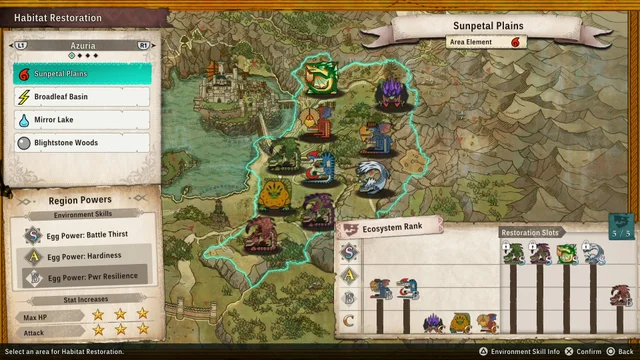
Before you can begin restoring habitats, you first need to build camps in the areas where you want to release monsters. To do this, you must defeat feral monsters, which roam the overworld and act as mini-bosses. Each feral monster has its own unique attack patterns and counterattacks, so be prepared for a fight.
Key tips:
- Don’t worry about missing feral monsters—there are no permanent penalties for habitat restoration.
- Some areas may require you to return later in the game to defeat stronger feral monsters.
Collecting Monster Eggs
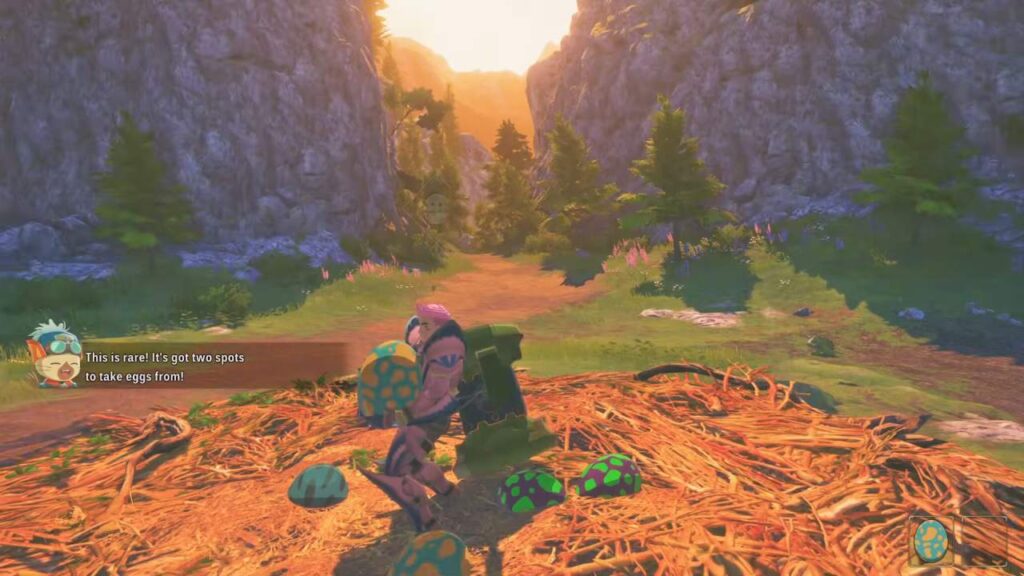
Once you’ve unlocked a camp, it’s time to gather eggs to restore the habitat. Eggs are found in monster dens scattered throughout each area. Important things to note:
- Multiple Eggs: Rare dens can contain more than one egg. You can pick them all up in a single trip.
- Egg Rarity: Eggs come in three levels—Fairly Potent, Very Potent, and Exceptionally Potent—indicated by gold or rainbow shines. Higher rarity eggs often come with stronger skills.
- Endangered Eggs: These special eggs come from defeating invasive monsters and are vital for unlocking mutated monsties. Handle them carefully to avoid losing rare species.
Raising and Releasing Monsties
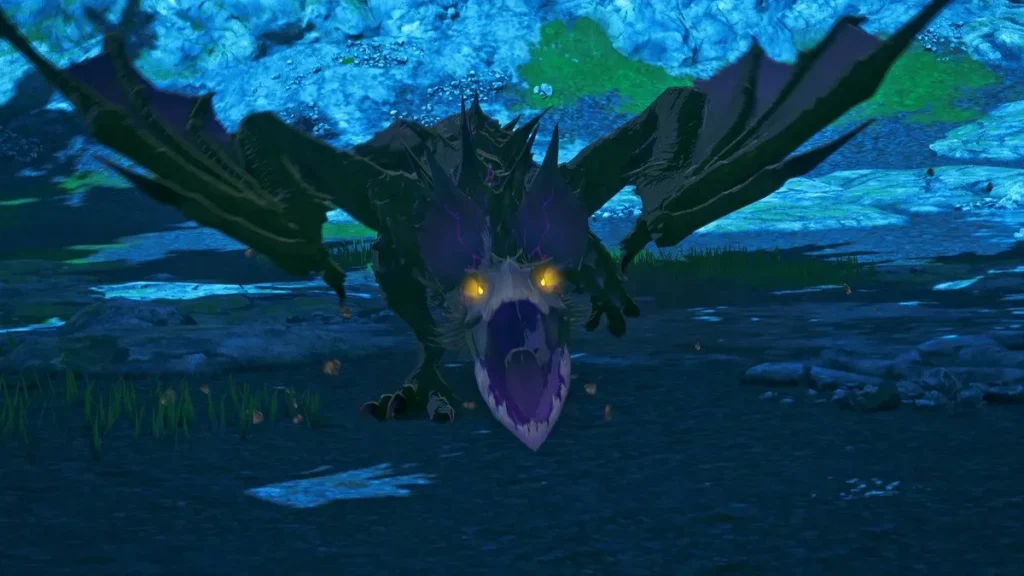
After collecting eggs, hatch them and consider leveling them up before releasing them, though it’s optional. Releasing them into their natural habitat will:
- Increase the ecosystem rank for that species.
- Boost future egg levels and improve skills.
- Allow monsters to gain area-specific elemental skills.
- Open the possibility for mutated or dual-element monsters.
Pro Tip: Don’t release monsters without checking their skills. With the Right of Channeling, you can transfer valuable abilities to other monsties, so make sure you bank these skills before releasing them.
Ecosystem Management and Limits
- Each habitat has a limit of five monsters per species.
- Variants of the same species count toward this limit.
- If you go over the limit, you can use eco-conservation (L3 on the menu) to lock in specific monsters and prevent accidental loss.
- Focus on increasing the rank of monsters that you plan to use or want mutated versions of.
Mutated Monsters and Advanced Tips
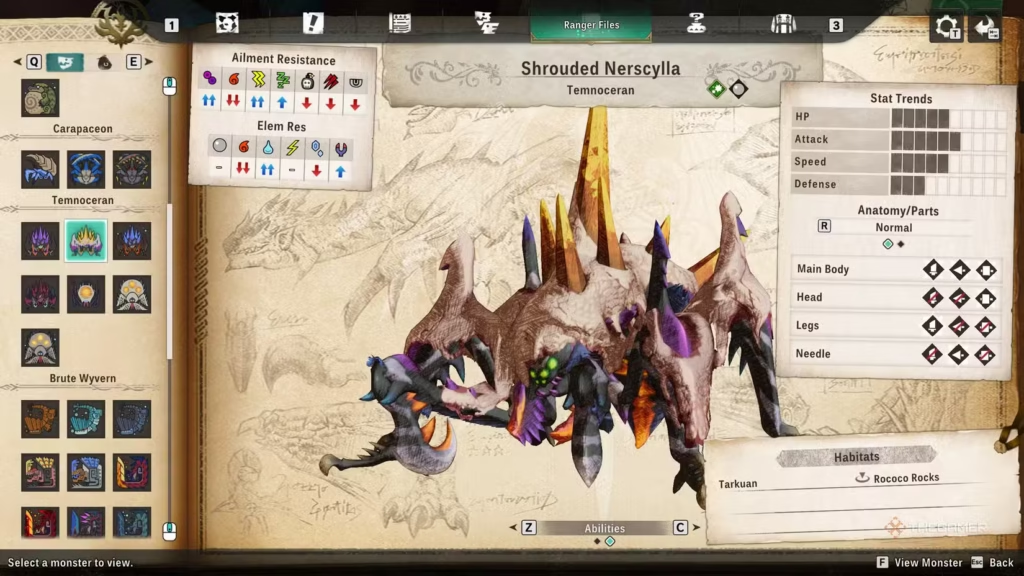
One of the most exciting aspects of habitat restoration is unlocking mutated monsters—monsters with new colors, abilities, or dual elements, similar to shiny Pokémon.
Example:
- Zenogga has two mutations: Stigian Zenogga and Thunderlord Zenogga.
- Achieving mutations often requires raising multiple related monsters to S-rank in the same area, sometimes combining endangered and regular species.
- Mutated monsters are stronger than their base forms and often have exclusive abilities that can drastically improve your team.
Tip: Prioritize endangered eggs for mutation potential, and strategically raise the species in areas that complement their elemental skills.
Step-by-Step Habitat Restoration Loop
- Unlock Camps: Defeat feral monsters to unlock habitat restoration sites.
- Collect Eggs: Visit monster dens and gather multiple eggs of the species you want.
- Hatch and Level Up: Level your monsters if desired to boost ecosystem rank faster.
- Release Monsters: Place them back in the wild carefully, ensuring you don’t exceed the five-per-species limit.
- Increase Ecosystem Rank: The higher the rank, the better the egg quality and skill potential for that species.
- Mutate Monsters: Use S-rank monsters and specific combinations to unlock mutated forms.
Key Tips for Beginners
- Always check skills before releasing a monster; use the Right of Channeling wisely.
- Focus on areas with matching elements to boost ecosystem rank faster.
- Endangered eggs are rare—use them strategically for mutations and high-skill monsties.
- Mutated monsters provide unique abilities that can make challenging battles easier.
- Don’t feel pressured to max out every ecosystem—focus on species that enhance your team.
Conclusion
Habitat restoration in Monster Hunter Stories 3: Twisted Reflection adds a strategic layer to the game that goes beyond combat. By carefully collecting eggs, leveling your monsties, and restoring habitats, you can create a team with unmatched power and versatility. Whether you’re a beginner or an experienced player, mastering this system opens up opportunities to discover rare and mutated monsties while strengthening your party for endgame content.
Happy hunting, and remember: every egg counts, every monster matters, and your ecosystem is the key to ultimate team customization!
Learn More About Games


About The Author