Gaming Reports
|
Getting your Trinity Audio player ready...
|
Slay the Spire 2 is finally here! Released on March 5, 2026, in early access, the sequel to the beloved card-based roguelike is bringing everything we loved about the original—and then some. With updated visuals, new mechanics, and fresh characters, this game is perfect for both returning fans and newcomers. If you’re just starting your climb, here’s a beginner-friendly, step-by-step guide to help you get the most out of your early runs.
Step 1: Choosing Your Character

At launch, your options are limited, so you’ll start with the Ironclad, the classic warrior archetype. The Ironclad is straightforward for beginners: high health, reliable damage, and access to Burning Blood, a staple healing relic from the first game.
Tip: Don’t worry about unlocking other characters immediately. Focus on mastering the Ironclad first, as this will teach you the core mechanics of combat, card management, and deck building.
Level Up Your Game with Our Patreon!
- Early Access to Full Guides: Get personalized guides for your favorite games before anyone else.
- Exclusive Analyses: Deep dives into top teams and game strategies just for you.
- Join Tournaments: Compete in tournaments with cash prizes and exclusive in-game items.
- Be the First: Access the latest news and updates in the gaming world.
👉 Don’t miss out—join our Patreon today and become the ultimate gamer!

Step 2: Understanding Combat Basics
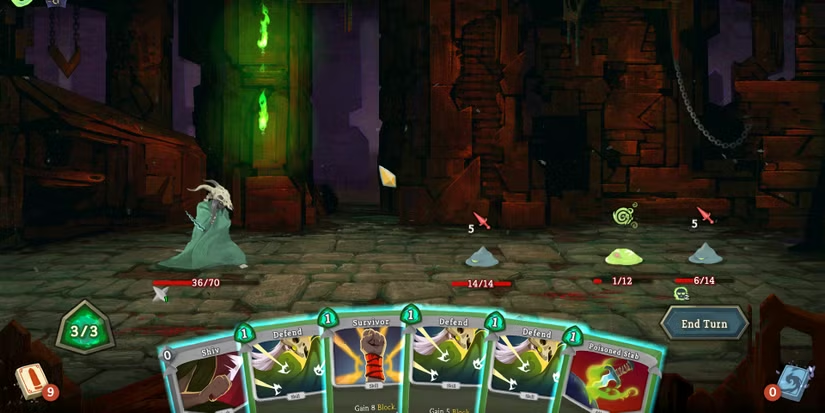
Slay the Spire 2 keeps the turn-based combat you loved but adds some twists:
- Enemies now have new behaviors and attack patterns, such as Phantom and Vantom, so pay attention to their intent.
- Cards like Setup Strike, Dismantle, and Iron Wave return with upgraded visuals and subtle tweaks.
- Attrition is key: some enemies empower themselves each turn, so plan your attacks to finish them quickly.
- New mechanics: Enchantments, which give extra upgrades to certain cards, and eggs or seeds that can be nurtured to provide bonuses later.
Tip: Always consider energy usage. Cards that cost a lot might not be worth it early on. Sometimes skipping a card or saving energy is smarter.
Step 3: Deck Management and Upgrades
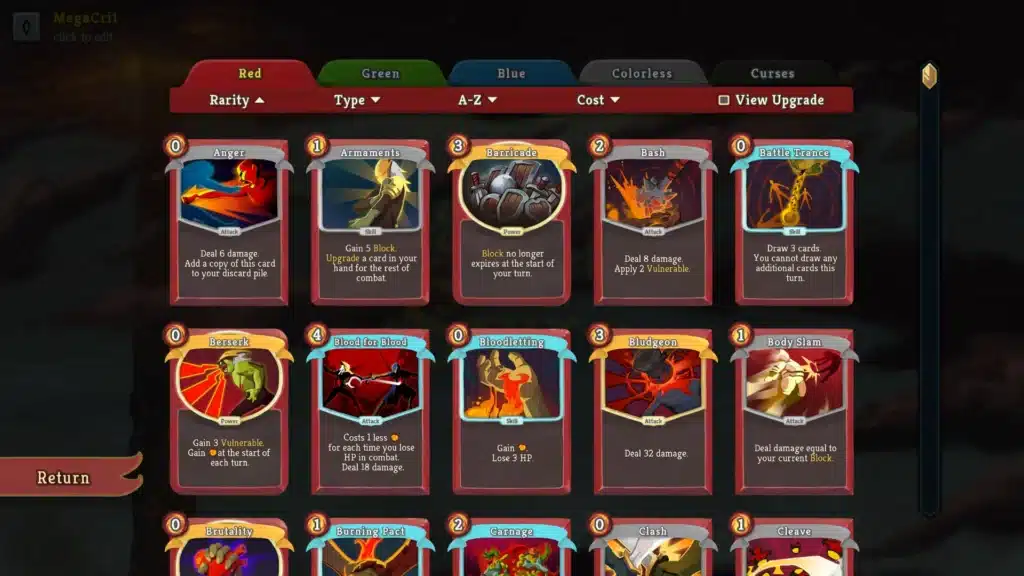
One of the biggest improvements is deck management:
- You’ll find new cards almost immediately, some with trade-offs like Lose HP but gain Block or Gain Strength for a turn but take Vulnerable.
- Upgrading cards is critical—choose wisely. Bash and Rampage are strong early game upgrades.
- Removing unnecessary cards can make your deck more efficient. Avoid bloating your hand with too many low-impact cards.
Tip: Prioritize cards that synergize with your core strategy (strength stacking, block-heavy, or attack-heavy) and consider future combos like Thrash + Bludgeon.
Step 4: Navigating the Map

Paths matter! You’ll notice several branching options:
- Bonfires: Great for healing and resting.
- Shops: Buy essential potions, upgrade cards, or pick powerful relics.
- Mid-bosses: Risky but can give strong rewards.
Tip: For beginners, aim for a balanced path—don’t overload on mid-bosses or skip too many bonfires. Healing at bonfires is essential for survival in early runs.
Step 5: Mastering Key Card Combos
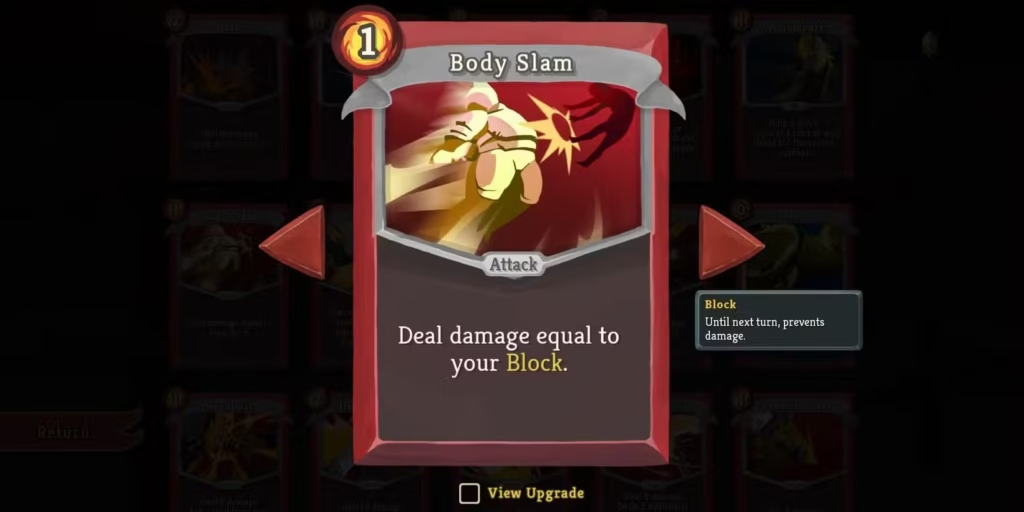
Several combos can give you an edge:
- Inflame + Armaments: Strength stacking while boosting defense.
- Dismantle + Bash: High damage output in a single turn.
- Bird Swoop: Good for clearing multiple enemies when timed properly.
- Py (Energy-boosting cards): Use to chain powerful attacks or combos.
Tip: Always look for cards that interact with each other. Even if a card seems weak alone, it might amplify your next turn if used strategically.
Step 6: Handling Status Effects and New Enemies
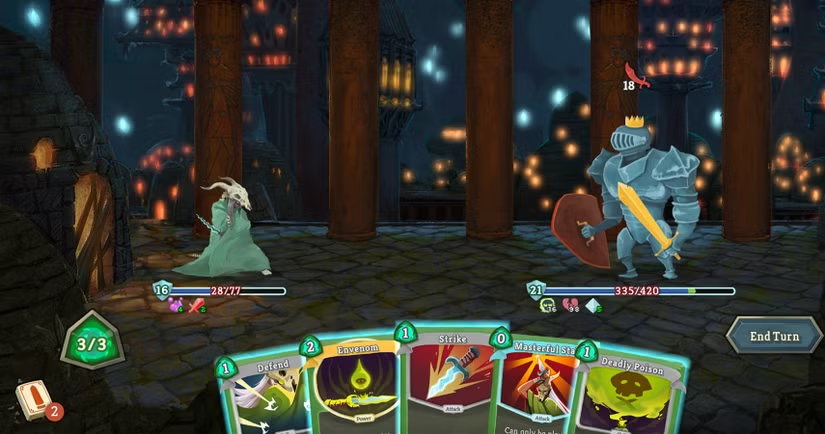
Slay the Spire 2 adds status cards and debuffs:
- Enemies may apply permanent debuffs like Shrink, reducing your attack permanently.
- Certain enemies, like Torch Heads or Mad Science minibosses, scale their attacks over time. Plan defensive moves and prioritize targets.
- Keep track of your Plating, Block, and Strength, as some new powers modify these dynamically.
Tip: Always check enemy intents and act accordingly. Sometimes a defensive card this turn is better than attacking aggressively.
Step 7: Exploring Relics and Powers
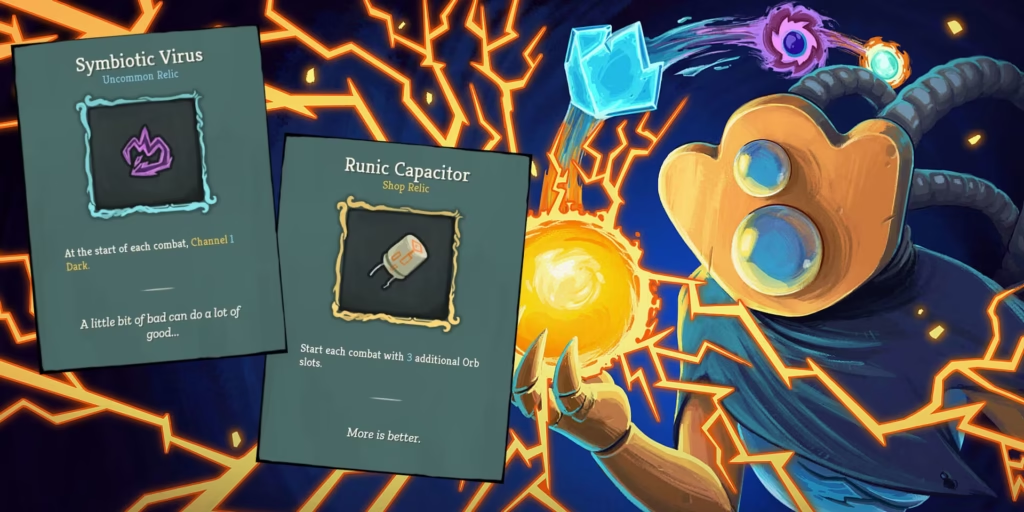
New relics and powers enhance gameplay variety:
- Vajra and Py powers: Gain energy or block under specific conditions.
- Eggs and Seeds: Can be nurtured for long-term benefits.
- Aggression+ or Feed: Can recycle attacks or upgrade cards automatically.
Tip: Experiment with different relics. Some may feel situational but can synergize with your deck in unexpected ways.
Step 8: Beginner Tips for Success
- Cull early and often – remove weak cards to streamline your deck.
- Upgrade high-impact cards first – Bash, Rampage, and Armaments are good early priorities.
- Use potions wisely – save them for difficult bosses or critical mid-bosses.
- Watch enemy patterns – the new AI introduces predictable and surprise moves; plan turns carefully.
- Experiment with Enchantments and Seeds – they can provide unique advantages not present in the first game.
- Balance risk and reward – don’t take too many mid-bosses at once; use bonfires strategically.
- Pay attention to status effects – permanent debuffs can ruin a run if ignored.
Step 9: Enjoy the Visual and Audio Upgrades
The game isn’t just mechanically improved—it looks amazing:
- Animations are dynamic and less static than the original.
- Enemies have new designs and actions.
- Zoomed-in view helps you better track battles.
- Music and sound effects are polished to enhance the roguelike experience.
Tip: Don’t rush. Take the time to enjoy the visuals; it helps you anticipate enemy attacks and plan combos more efficiently.
Step 10: Keep Learning
Slay the Spire 2 rewards trial, error, and observation. Every run teaches you:
- When to upgrade or remove cards.
- How to maximize relic and enchantment effects.
- How to manage energy and attack combos efficiently.
Even seasoned players will find surprises, and for newcomers, this early access period is the perfect time to experiment.
Conclusion
Slay the Spire 2 takes everything we loved about the original and elevates it: deeper mechanics, more characters, more strategy, and better presentation. If you’re just starting your climb, use this guide to navigate early runs confidently, build synergistic decks, and survive even the toughest enemies.
Whether you’re a returning fan or a brand-new spire climber, there’s never been a better time to play. Get your deck ready, strategize carefully, and embrace the climb!
About The Author